
The Life-Saving Importance of CPR
Every second counts when someone’s heart stops beating. In those critical moments before professional help arrives, Cardiopulmonary Resuscitation (CPR) can mean the difference between life and death. Yet, too many people are unprepared or unsure of what to do. Learning CPR isn’t just a certification on paper—it’s an essential skill that empowers everyday people to save lives.
“Should I get CPR training?”
If you’ve ever asked this question, you’re in the right place!
Why CPR Matters
When the heart stops pumping effectively, the brain and other vital organs are deprived of oxygen. Brain damage can begin in just 4–6 minutes, and irreversible damage or death may occur within 10 minutes. Emergency medical services (EMS) often take longer than that to arrive. CPR helps maintain blood flow and oxygen until professional responders take over, dramatically improving survival chances.
According to the American Heart Association, immediate CPR can double or even triple a person’s chance of survival after cardiac arrest. That’s not a statistic to ignore.
CPR Isn’t Just for Medical Professionals
Many people mistakenly believe CPR is only for healthcare workers. In reality, cardiac arrests often happen outside hospitals—at home, at work, or in public places. In fact, about 70% of out-of-hospital cardiac arrests happen in homes, which means the person most likely to need CPR could be a friend or loved one.
By learning CPR, you’re not only preparing to help strangers—you’re preparing to protect the people you care about most.
CPR in the Workplace and Community
Organizations that train their employees in CPR create safer environments. Workplaces, gyms, schools, pools, and public venues benefit when staff and community members are prepared to act. Quick intervention builds confidence, reduces panic, and strengthens community resilience.
Some states and industries even require CPR certification, especially in roles like teachers, coaches, childcare workers, and lifeguards. But even when it’s not mandatory, it’s invaluable.
Busting the Myths About CPR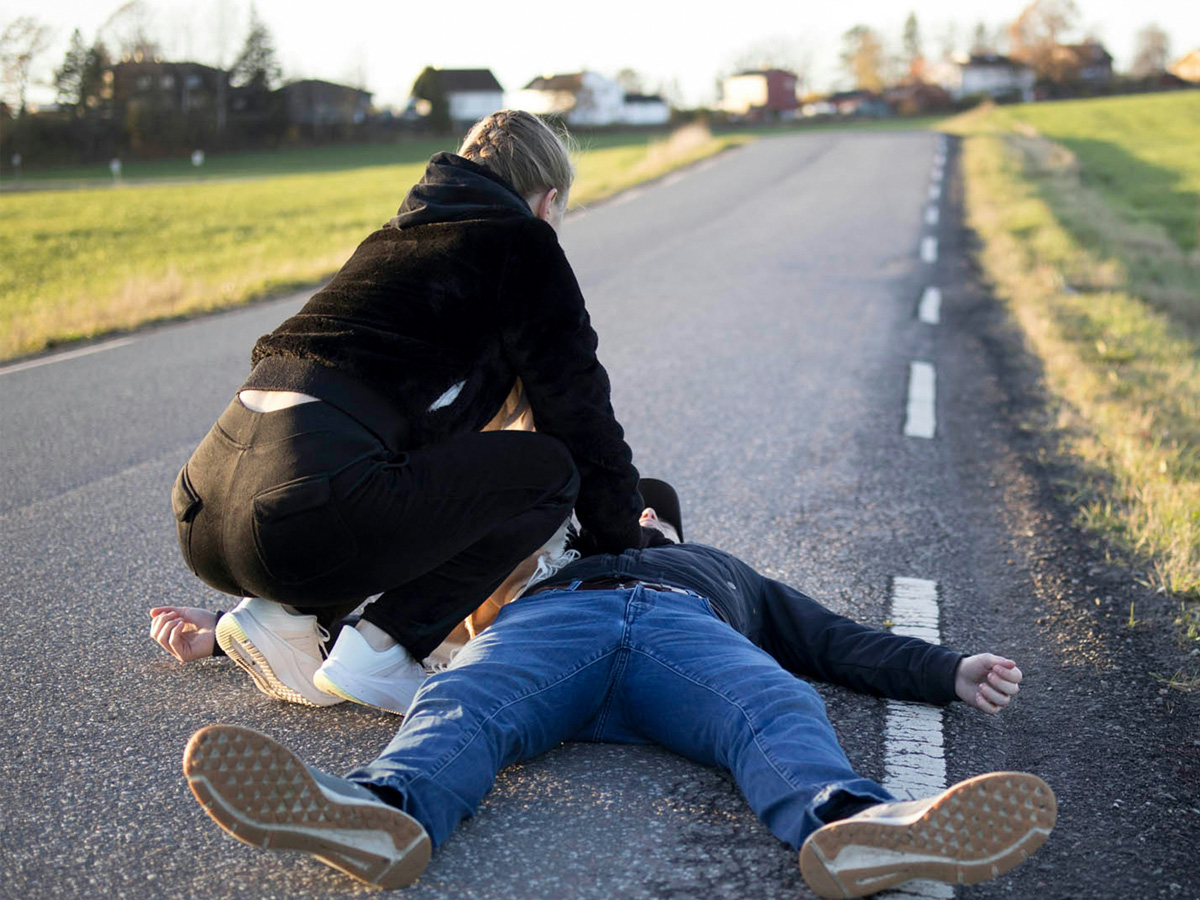
Myth: “I’ll hurt them if I do it wrong.”
Fact: Doing something is always better than doing nothing. Even imperfect CPR helps circulate oxygen.
Myth: “I’m not strong enough.”
Fact: CPR isn’t about strength—it’s about technique. With practice, anyone can perform compressions effectively.
Myth: “Someone else will step in.”
Fact: Sadly, hesitation is common, and waiting can cost precious minutes. Be the one who steps forward.
How You Can Get Certified
Training programs are widely available through organizations like the American Red Cross and their partner Providers, as well as local aquatic centers, workplaces, and community groups. Many courses combine hands-on practice with online learning, making them accessible for busy schedules.
Certifications typically last two years, ensuring your skills stay sharp and up-to-date.
A Call to Action
Cardiac arrest can strike anyone, anywhere, at any time. The power to save a life isn’t reserved for doctors—it can be in your hands. By learning CPR, you’re not just preparing for an emergency; you’re making a powerful commitment to your family, your workplace, and your community.
The question isn’t “Should I learn CPR?”—it’s “When will I sign up?“
– Katie Harker, Director of Health and Safety Services, Swan Aquatics and Swan CPR
Katie has over 20 years of Certified Red Cross Teaching experience. She trains people in CPR, First Aid, AED, Blood Borne Pathogens, Lifeguarding, Wilderness First Aid, Swimming and Water Aerobics. Her passion is saving lives.
Sources:
- American Heart Association: What Is CPR
https://cpr.heart.org/en/resources/what-is-cpr - American Red Cross: CPR Facts and Statistics
https://www.redcross.org/take-a-class/resources/articles/cpr-facts-and-statistics - Sudden Cardiac Arrest Foundation: 2023 Sudden Cardiac Arrest Statistics
https://www.sca-aware.org/sca-news/highlights-of-2023-sudden-cardiac-arrest-statistics - American Heart Association Study: Association of Bystander CPR With Survival After Out of Hospital Cardiac Arrest
https://www.ahajournals.org/doi/pdf/10.1161/CIRCOUTCOMES.123.010116
Our Affiliates