
Preparing Schools and Camps for Spring Activities With CPR & First Aid
 Spring Safety Starts With CPR Training for Schools and Camps
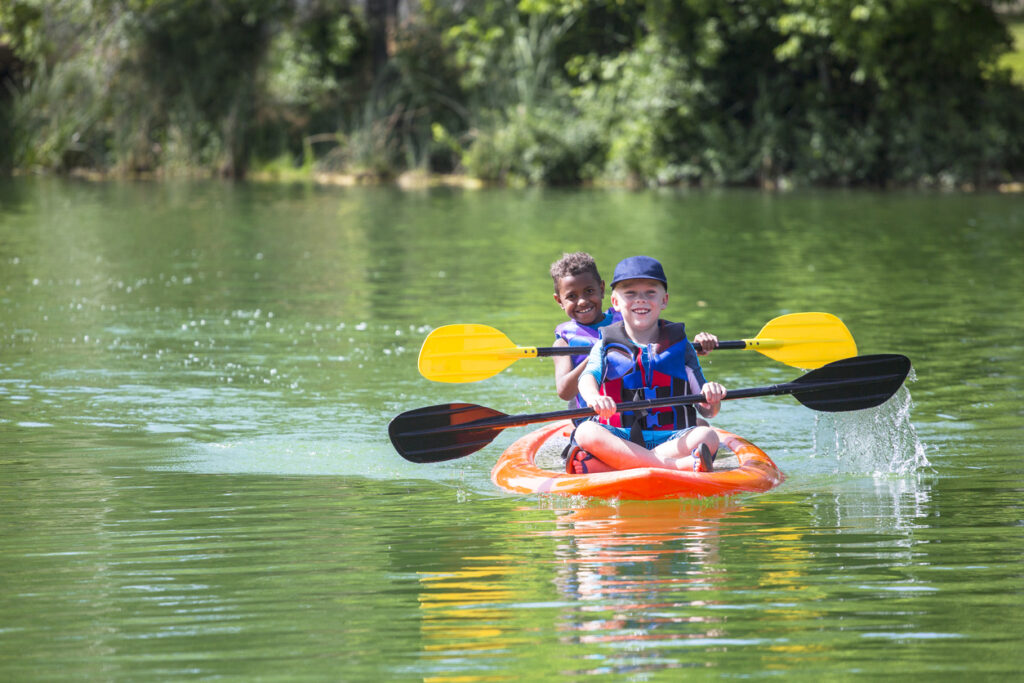
As spring approaches, schools, youth programs, and camps begin preparing for a season filled with outdoor activities, sports, field trips, and community events. After months of colder weather and indoor programming, students are eager to return outside and participate in more physically active programs.
With this seasonal shift comes an important responsibility for organizations that supervise children and young adults: ensuring staff are prepared to respond if an emergency occurs. One of the most effective ways to strengthen safety before spring programming begins is through CPR, AED, and First Aid training for staff members.
At Swan CPR, we work with schools, recreation departments, and camps to provide practical, hands-on training that prepares staff for the types of real-world situations they may encounter while supervising youth.
Why Spring Programming Increases Safety Risks
Spring programming naturally introduces a wider range of environments and activities compared to winter programs. Students spend more time outdoors, participate in athletics, attend field trips, and gather for school events and community activities.
With these expanded programs come a variety of potential medical situations that staff may need to manage. Injuries such as sprains, cuts, and fractures are more common during sports and outdoor play. Allergic reactions can occur during field trips or meals, and warmer temperatures may introduce heat-related illnesses. In rare but critical situations, staff may also encounter choking incidents or sudden cardiac emergencies.
According to the American Heart Association, immediate CPR can double or even triple a person’s chance of survival following cardiac arrest. When trained staff members are nearby and able to act quickly, those first few minutes can make an enormous difference.
Preparing staff before the busy season begins ensures that teams feel confident responding to emergencies rather than reacting with uncertainty.
Who Should Be CPR Certified in Schools and Camps
Many organizations assume CPR certification is only necessary for athletic coaches or lifeguards. In reality, any adult responsible for supervising youth can benefit from basic lifesaving training.
Teachers, camp counselors, recreation leaders, after-school staff, administrators, and program coordinators are often the first people present when an emergency occurs. The more trained individuals available on-site, the faster lifesaving care can begin while emergency responders are on the way.
CPR and First Aid training not only equips staff with technical skills, but it also helps them remain calm and organized during stressful situations.
The Certifications That Matter Most for Youth Programs
For schools and camps preparing for spring activities, several types of certification are particularly valuable. CPR and AED training teaches participants how to recognize cardiac emergencies and respond effectively using chest compressions and automated external defibrillators. First Aid certification focuses on treating common injuries and medical situations such as bleeding, burns, fractures, and allergic reactions.
Programs that work primarily with children often choose pediatric-focused CPR and First Aid courses, which emphasize scenarios involving infants and young students.
Organizations operating aquatic programs, pools, or water-related field trips may also require lifeguard training for staff responsible for supervising water activities.
At Swan CPR, our courses emphasize hands-on instruction and realistic scenarios, ensuring that staff leave training with practical confidence rather than just theoretical knowledge.
Preparing Staff Before the Season Begins
The most effective organizations approach CPR and First Aid training as part of their seasonal preparation process. Many schools and camps schedule certification sessions in late winter or early spring so staff are fully trained before outdoor programs and events begin.
Training ahead of the season also provides an opportunity to review emergency action plans, confirm that AED devices are accessible, and ensure staff understand how to coordinate during emergencies. When teams have already practiced these procedures, they are far more prepared to respond effectively if a situation arises.
Bringing CPR Training Directly to Your Organization
For many organizations, sending staff to off-site certification classes can be difficult to coordinate. Scheduling conflicts, travel time, and large staff groups often make traditional training formats inconvenient.
Swan CPR offers on-site CPR and First Aid training, allowing entire teams to become certified together in a familiar environment. Training can be scheduled around staff availability, and instructors can tailor instruction to the types of scenarios most relevant to schools, camps, and youth programs.
This approach not only simplifies logistics but also helps teams build confidence working together during emergency response situations.
Creating a Culture of Preparedness
Beyond meeting safety requirements, CPR and First Aid training help organizations create a culture where preparedness is part of everyday operations. When staff members understand how to respond to emergencies, they are more confident supervising activities and protecting the people in their care.
As spring activities begin and programs become more active, ensuring that staff are trained and prepared is one of the most meaningful steps schools and camps can take to support participant safety.
Schedule CPR & First Aid Training With Swan CPR
If your school, camp, or youth program is preparing for spring activities, Swan CPR can help ensure your staff are ready.
We offer CPR, AED, First Aid, and pediatric certification courses designed for educators, recreation staff, and youth program leaders. Our instructors provide hands-on training and flexible scheduling to help organizations prepare their teams before the busy season begins.
Contact Swan CPR to schedule a training session and ensure your staff are ready for the months ahead.
Our Affiliates